Chronic back pain is one of the leading causes of disability in the United States, and most of it is related to musculoskeletal disorders. Because it plays such a vital role in activities like walking, bending and other daily movements, back pain can make routine activities challenging. It can also cause muscle weakness and keep you from getting a good night’s sleep.
If over-the-counter pain relievers and muscle relaxants don’t seem to be working for you, it may be time to seek professional care from a qualified medical provider. While surgery is a great option for many people, it is also expensive, invasive, and the recovery time is very long. It can take months to recover completely, making it difficult to work, attend school, or partake in your favorite hobbies. For this reason, nonsurgical back pain treatment should be the first line of action you consider. If you suffer from chronic back pain, you may benefit from any of the following treatment options.
Nonsurgical Treatment Options
Professional medical care services offer back pain relief that doesn’t require surgery so you can get back to your normal daily activities. Depending on the source and level of severity of your back pain, your healthcare team may recommend one or more of the following nonsurgical back pain treatment options.
Physical Therapy
Physical therapy for back pain stretches and loosens tight muscles, increases flexibility and improves your range of motion, which is why it’s one of the most common nonsurgical treatments to relieve chronic back pain. Many physical therapists use their hands to stretch, massage, or manipulate muscles to address many of the most common causes of upper and lower back discomfort during a physical therapy session. They may also show you how to perform certain exercises to strengthen your muscles, prevent back pain from recurring and offer other long-term benefits.
Spinal Manipulation and Decompression
Spinal manipulation and non-surgical spinal decompression are two of the most common types of chiropractic care available to you. Chiropractors (like Dr. James Campbell at Campbell Chiropractic and Wellness Center), physical therapists, and osteopathic physicians use spinal manipulation in their physical therapy practices. It involves the use of your hands or a special instrument to adjust the bones in your spine. If your back pain is a result of misalignment, spinal manipulation can provide you with the relief you need.
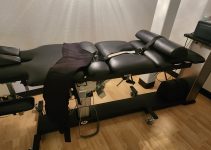
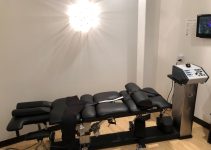
Spinal decompression, on the other hand, relieves back pain by relieving pressure on the joints and discs in the spine. During a non-surgical decompression session, motorized traction gently stretches and pulls your spine, moving the discs back to their normal position. If your back pain is a result of a herniated disc or bulging disc, this nonsurgical treatment may allow you to see an improvement in your pain.
Acupuncture
Acupuncture for back pain is a common and popular nonsurgical treatment option. During an acupuncture session, a trained professional will insert thin needles in certain areas of your body to restore normal energy flow. According to the research published by the Kaiser Permanente Washington Health Research Institute, acupuncture is just as effective as other forms of treatment in the management of pain.
Acupuncture is a low-risk way of treating your back pain. Although you may feel some tingling at the site of needle insertion, it shouldn’t cause you any discomfort or side effects. The needles stimulate the release of endorphins, dopamine, serotonin, and other chemicals that the body uses to manage pain. Acupuncture can also increase blood flow around the spinal nerve, reducing pain and helping the damaged tissue to heal quickly.
Transcutaneous Electrical Nerve Stimulation (TENS)
Transcutaneous electrical nerve stimulation (TENS) involves the use of small electrical pulses to interrupt the pain signals being sent from the spinal nerve to the brain. Electrical pulses relax the muscles and stimulate the release of endorphins, which are the same chemicals that make you feel good when you exercise.
Many companies produce TENS devices for home use, but it’s best to ask your care team after or during a physical exam if TENS is appropriate for your back pain. Although TENS can help to relieve back pain, it isn’t for everyone. For instance, clinical guidelines don’t recommend the use of TENS if you have a spinal cord stimulator, pacemaker, or other implanted device, as the electrical pulses can interfere with it.
Heat Therapy
Heat therapy works better than cold therapy for the treatment of chronic back pain. Cold therapy relieves pain by constricting blood flow to the affected area, making it more appropriate for acute injuries. Heat therapy, on the other hand, increases blood flow and improves circulation, making it ideal for chronic back pain. Your care team may recommend one or more of the following heat therapy methods to treat your back pain:
- Soaking in a tub of hot water
- Topical application of a treatment that contains capsaicin
- Application of a hot water bottle or heating pad to the painful areas of your back
Heat can help to relieve back pain, but it’s not always appropriate. You should never apply heat to a sore back if the affected area is numb, if you have an open wound, or if the skin on your back is inflamed. If you have heart disease or high blood pressure, it’s a good idea to check with your care team before using heat therapy to treat chronic back pain.
Finding a Solution to Back Pain
Surgery isn’t always the answer to back pain. Thanks to multiple nonsurgical treatment options, from acupuncture to physical therapy, spinal manipulation, spinal decompression, TENS, and heat treatments, you can experience relief from back pain.
You can rest easier and get back to your normal, pain-free life. The key is working with a qualified healthcare provider, such as the chiropractors at Campbell Chiropractic and Wellness Center in Las Vegas, NV, who can help you get to the root of discomfort and create a treatment plan that is tailored to your specific needs. By pursuing these conservative, research-based options first, you may be able to avoid invasive procedures, speed up recovery time, and return to a more active, fulfilled life with a greater degree of comfort and confidence.